Description:
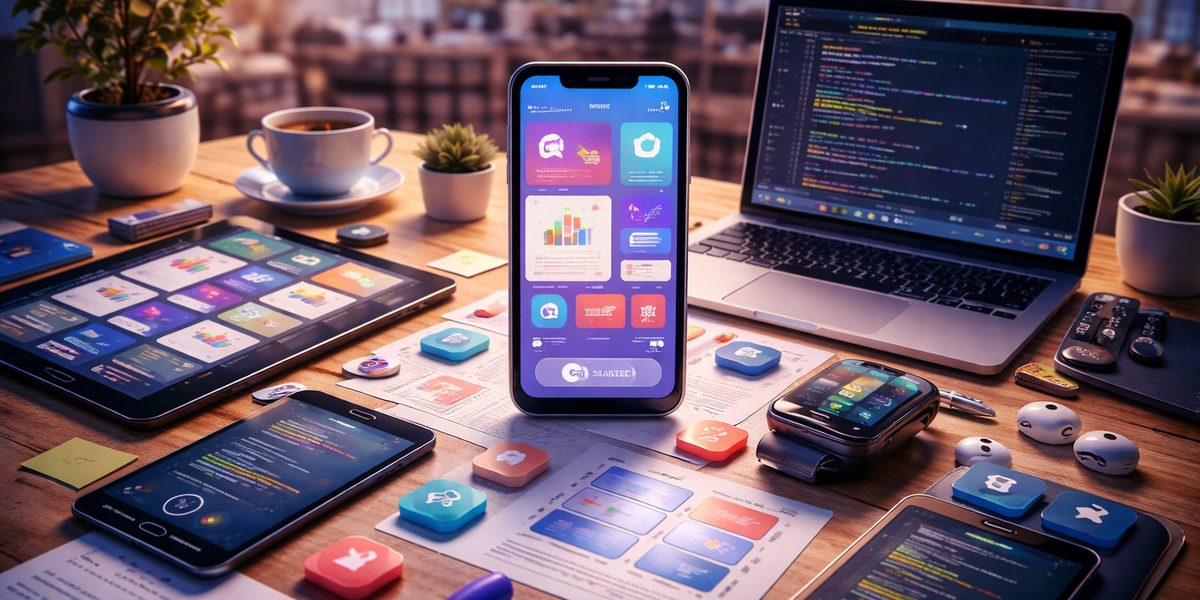
- In 2025, startups operate in a fully mobile-first digital ecosystem. Customers expect speed, personalization, and seamless digital experiences at their fingertips. A mobile app is no longer just an additional channel—it is a core growth engine.
- This blog explains in detail why mobile apps are essential for startups, how they improve engagement, strengthen brand identity, optimize operations, and help startups scale faster in a competitive digital world.
Introduction:
- The way customers interact with businesses has changed dramatically. Today, smartphones are the primary digital touchpoint for communication, shopping, entertainment, and services. In India alone, millions of users rely on mobile apps daily for food delivery, payments, fitness, education, and e-commerce.
- For startups, this shift presents both an opportunity and a challenge. While competition is growing, startups that leverage mobile apps can build direct relationships with customers, deliver personalized experiences, and grow faster than those relying only on websites or social media.
- In 2025, a mobile app is not a luxury—it is a strategic necessity for startups that want visibility, scalability, and long-term success.
1. Superior Customer Engagement & Personalization
- Mobile apps enable startups to engage users in real time. Unlike websites, apps offer direct communication through push notifications, in-app alerts, and personalized content. This creates a two-way interaction that keeps users connected to your brand.
- Apps also allow startups to collect valuable user data—such as behavior, preferences, and usage patterns—which can be used to deliver highly personalized experiences.
Key Benefits
- Higher engagement compared to email or ads
- Real-time communication with customers
- Personalized offers and content
- Improved customer retention
Example:
- A fashion startup sending personalized app notifications like “Items you liked are back in stock” or “Exclusive app-only discount” sees significantly higher conversion rates than generic email campaigns.
Tip:
- Use analytics and AI-driven insights to segment users and send targeted notifications based on their actions and preferences.
2. Stronger Brand Presence & Recall
- A mobile app places your brand directly on the user’s smartphone—making it visible every day. This constant presence builds familiarity and trust, which are crucial for startups trying to establish credibility.
- Every app interaction reinforces your brand identity through visuals, tone, and user experience. Over time, users begin to associate your app with reliability and convenience.
Key Benefits
- Increased brand recall
- Consistent brand experience
- Higher customer trust
- Long-term loyalty
Example:
- Brands like Swiggy, Zomato, and PhonePe have become part of daily life because their apps are frequently used, visually consistent, and extremely convenient.
Tip:
- Design your app with a strong UI/UX, consistent colors, clear typography, and intuitive navigation that reflects your brand values.
3. Faster & More Efficient Business Operations
- Mobile apps streamline internal and external operations by automating processes such as ordering, booking, payments, inventory management, and customer support. This reduces dependency on manual work and minimizes errors.
- Apps also integrate seamlessly with backend systems, CRMs, payment gateways, and analytics tools—giving startups complete control over operations.
Key Benefits
- Automation of daily tasks
- Reduced operational costs
- Better process transparency
- Improved decision-making
Example:
- A healthcare or fitness startup offering appointment booking through a mobile app can manage schedules, payments, reminders, and customer records efficiently—saving time for both staff and users.
Tip:
- Use dashboards and reports to track performance metrics like order flow, booking trends, cancellations, and customer feedback.
4. Competitive Advantage
- Many startups still rely solely on websites or third-party platforms. A dedicated mobile app instantly differentiates your business and positions you as a modern, tech-forward brand.
- Mobile apps also allow startups to offer exclusive features that websites cannot—such as offline access, loyalty programs, faster checkout, and personalized recommendations.
Key Benefits
- Differentiation from competitors
- App-exclusive offers & features
- Higher customer stickiness
- Better user experience
Example:
- E-commerce startups offering app-only flash sales, reward points, and one-tap checkout often outperform competitors relying only on web traffic.
Tip:
- Regular updates, new features, and seasonal campaigns keep your app fresh and users engaged.
5. Higher Customer Retention & Lifetime Value
- Acquiring new customers is expensive. Retaining existing users through a mobile app is far more cost-effective. Apps encourage repeat usage through saved preferences, easy re-ordering, loyalty rewards, and personalized content.
- Once users install your app, they are more likely to return—boosting customer lifetime value and overall revenue.
Key Benefits
- Lower acquisition cost
- Higher repeat usage
- Stronger customer relationships
- Sustainable growth
6. Scalability & Future-Ready Growth
- Mobile apps are built to scale. As your startup grows, new features, services, and integrations can be added without disrupting user experience. Apps also support advanced technologies like AI, chatbots, AR/VR, and data analytics—future-proofing your business.
- In 2025 and beyond, startups with scalable mobile platforms will adapt faster to market changes and customer expectations.
Conclusion:
- In 2025, a mobile app is more than just a digital product—it’s a reflection of your startup’s quality and credibility. A well-designed app with smooth UI/UX, clear navigation, and consistent branding builds trust, improves engagement, and keeps users coming back.
- Startups that invest in intuitive design and performance gain a clear advantage in a competitive, mobile-first market. At Codetailor Softech Pvt. Ltd., we create mobile apps that combine smart design with strong functionality—helping startups grow faster and connect better with their customers.